Internet of Things (IoT) Explained
The Internet of Things (IoT) represents a significant technological advancement, enabling devices to communicate and operate autonomously. Through integrated sensors and connectivity, IoT creates a network that facilitates real-time data collection and analysis. This interconnectedness enhances efficiency across various applications, from smart homes to healthcare. Understanding its mechanisms and implications reveals critical insights into how IoT is reshaping industries and daily life, prompting further exploration into its future potential.
What Is the Internet of Things (Iot)?
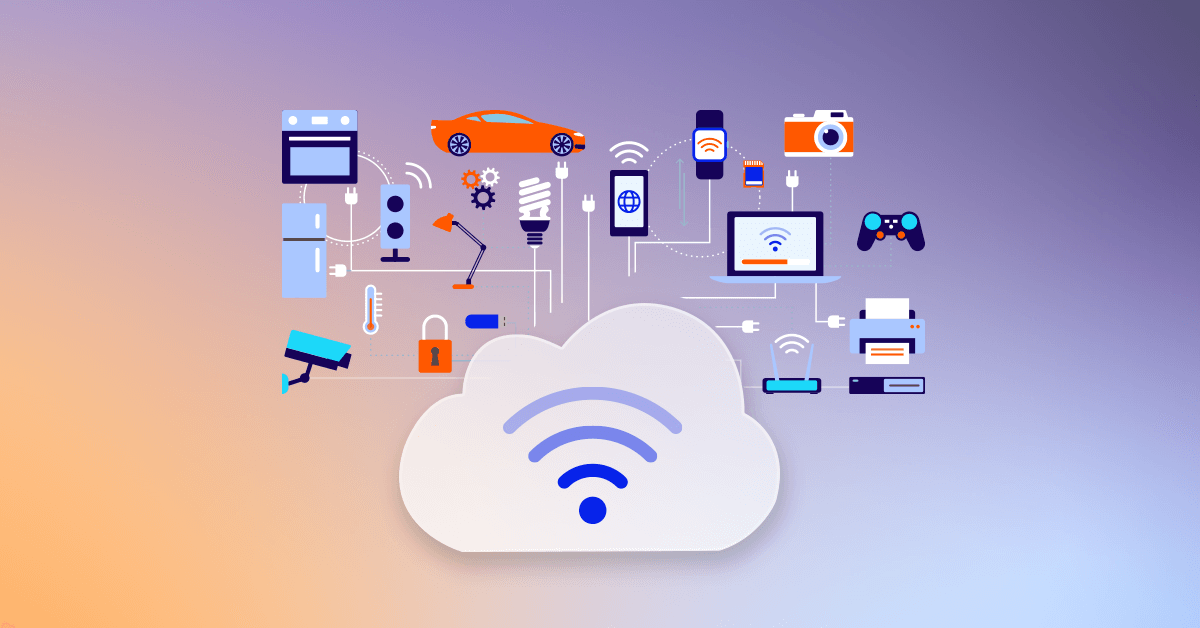
The Internet of Things (IoT) represents a transformative network of interconnected devices capable of communicating and exchanging data.
This ecosystem of smart devices and connected systems enhances efficiency, enabling automation and real-time monitoring.
By facilitating seamless interaction, IoT empowers users to optimize their environments, promoting individual freedom and control over resources.
The potential applications span industries, revolutionizing daily life and operational processes.
How Does IoT Work?
IoT operates through a complex interplay of sensors, software, and connectivity protocols that enable devices to collect, transmit, and analyze data.
This architecture facilitates seamless device communication, empowering machines to interact autonomously.
Real-time data processing allows for meaningful insights, enhancing operational efficiency and user experience.
As devices become increasingly interconnected, the potential for innovation and autonomy expands, fostering a liberated technological environment.
Applications of IoT in Everyday Life
Applications of IoT permeate various facets of everyday life, transforming mundane tasks into streamlined processes.
In smart homes, devices autonomously manage energy consumption, security, and convenience, enhancing user comfort.
Meanwhile, wearable technology monitors health metrics, enabling proactive wellness management.
These innovations not only improve efficiency but also empower individuals, granting them greater control over their environments and personal health.
The Future of IoT and Its Impact on Industries
As industries increasingly embrace connectivity, the future of IoT promises to revolutionize operational efficiencies and decision-making processes.
Smart cities will leverage IoT to optimize resource management, enhancing urban living.
Concurrently, industrial automation will benefit from real-time data analytics, enabling predictive maintenance and streamlined workflows.
This interconnected landscape fosters innovation, empowering businesses to adapt swiftly and improve overall performance in a dynamic market.
Conclusion
In the grand symphony of technological advancement, the Internet of Things (IoT) emerges as a powerful conductor, harmonizing devices into a seamless network of efficiency and innovation. As it continues to weave its intricate tapestry across diverse industries, IoT not only enhances daily living but also unlocks untold potential for growth and transformation. The future, illuminated by this interconnected web, promises to reshape the landscape of our lives, ushering in an era defined by unprecedented connectivity and intelligence.